Icahn School of Medicine at Mount Sinai/Morningside/West Program (MSMW)
New York, NY
Program Director: Paul Shekane, MD
Program Coordinator: Loranni Hernandez, loranni.hernandez@mountsinai.org, 212-523-6121
https://anesthesiology.duke.edu/education/fellowships/pain
Clinical Training Strengths
The pain management fellowship at MSMW allows trainees to receive comprehensive training in interventional, multimodal, and multidisciplinary approaches to the treatment of acute and chronic pain conditions. Some core strengths of our program include the broad exposure to both common pain syndromes such as radiculopathies and arthropathies, and rare, complex conditions including craniofacial neuralgias and complex regional pain syndrome. Fellows gain extensive hands-on experience with a wide range of outpatient interventional procedures, including epidural steroid injections (interlaminar, transforaminal, and caudal), medial branch blocks, radiofrequency ablations, joint injections, trigger point injections, peripheral and craniofacial nerve blocks, sympathetic and plexus blocks, as well as advanced spine and neuromodulation therapies such as minimally invasive lumbar decompression (MILD), kyphoplasty, basivertebral nerve ablation, spinal cord and dorsal root ganglion stimulator trials and implantations, peripheral nerve stimulation, and intrathecal pump management. We serve a variety of different sites ensuring exposure to diverse patient populations and practice settings.
Procedural Training
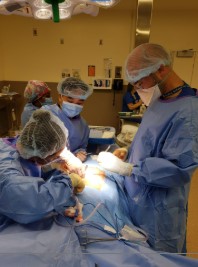
Fellows receive hands-on training in both ultrasound-guided and fluoroscopic-guided procedures at multiple locations with a diverse attending staff. Fellows also receive hands-on experience in the operating room during advanced cases including spinal cord stimulation (SCS), peripheral nerve stimulation, MILD, kyphoplasty, and basivertebral nerve ablation.
Faculty and Mentorship
Our faculty is a close-knit, multidisciplinary team with representation from the departments of anesthesiology, physiatry, neurology, palliative care, and psychiatry. This offers fellows a truly comprehensive perspective on patient care. Attendings come from diverse training backgrounds, bringing varied clinical approaches and expertise that enrich the learning environment. This collaborative group is known for its strong camaraderie and commitment to mentorship, fostering a supportive culture focused on professional growth, open communication, and individualized guidance for fellows.
Research and Academic Opportunities
Opportunities to participate quality improvement (QI) initiatives are available through the Department of Anesthesiology’s monthly QI meetings and the hospital’s Opioid Safety Committee. Fellows may attend one compensated meeting per year and are provided protected time off to do so. In addition, fellows participate in a variety of industry-sponsored cadaver labs and workshops throughout the year.
Career Support and Fellow Outcomes
Graduates work nationwide in a wide range of practice settings. Career placement is supported through an extensive alumni network, company representatives, and professional recruiters. The program’s strong reputation among employers further enhances job opportunities for graduates.
Program Culture and Environment
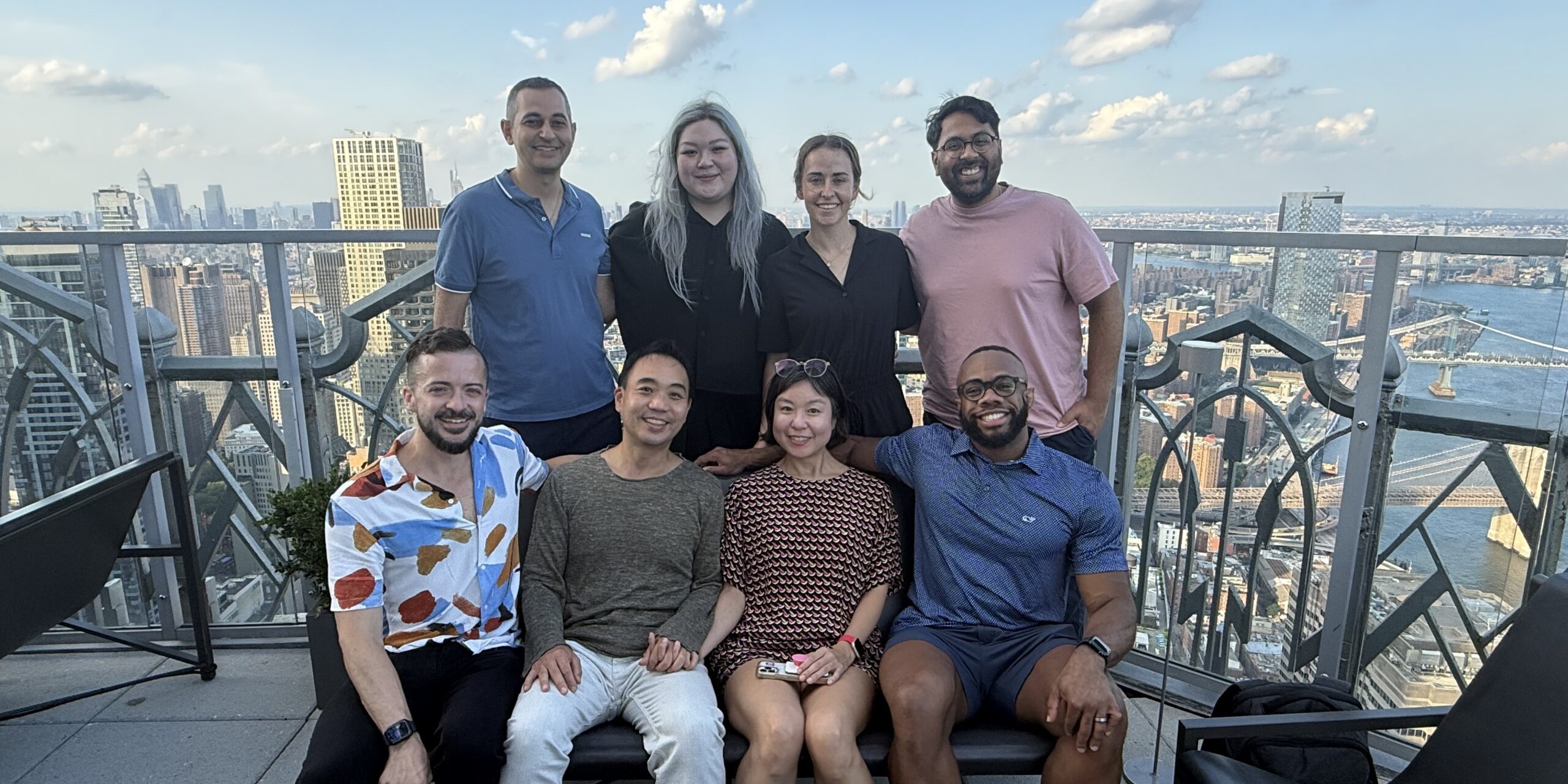
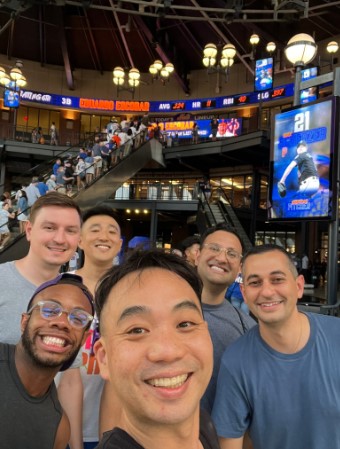
The fellowship offers a busy clinical experience within a close-knit group and a non-hierarchical structure, encouraging questions and active learning. There are also opportunities for wellness initiatives and social gatherings.
Signature Features
What sets our program apart is the breadth of clinical opportunities available to our fellows, supported by a multidisciplinary structure and collaborative partnerships with the Departments of Anesthesiology and Physiatry. Fellows gain experience with both “bread and butter” cases and advanced procedures in a supportive, hands-on environment, all in one of the best locations in Midtown Manhattan. Additionally, we offer guaranteed subsidized housing for our fellows.